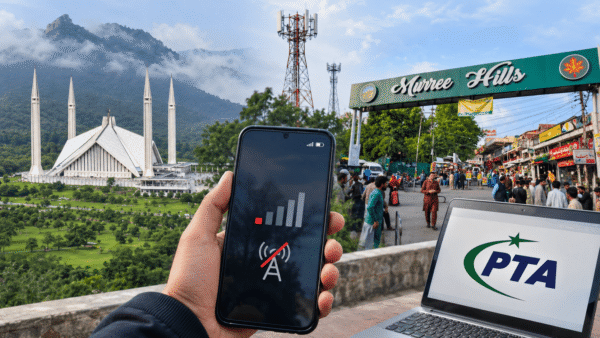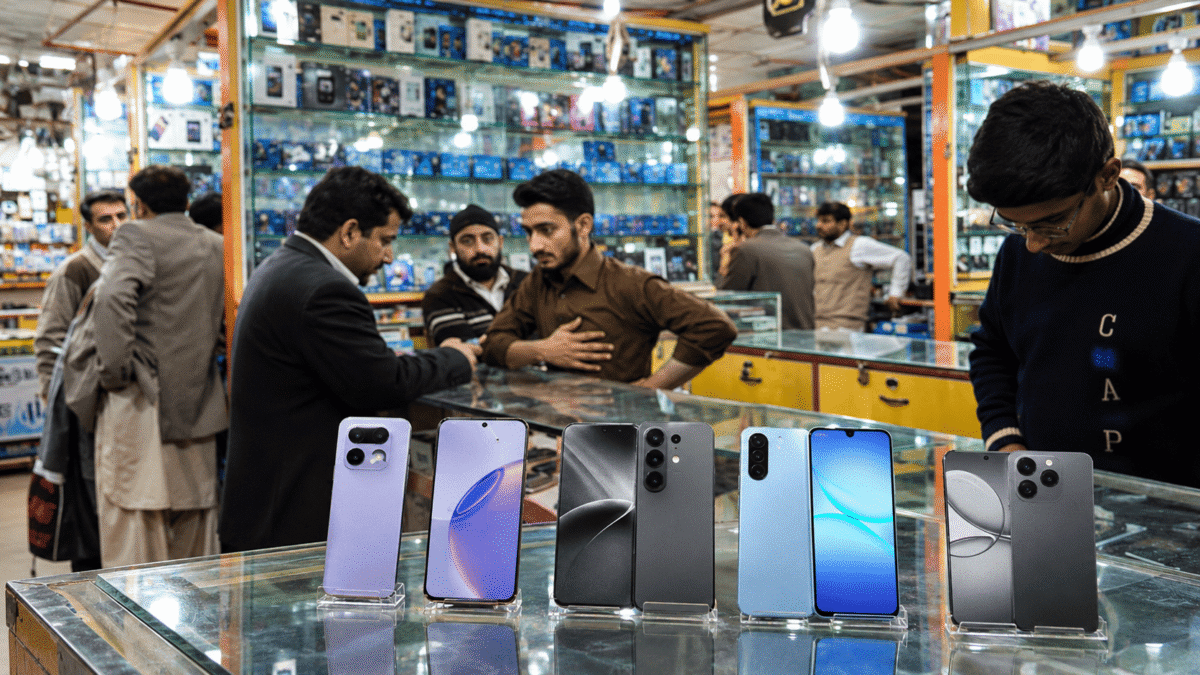
Smartphone buyers in Pakistan could face higher mobile phone prices as rising global semiconductor and memory chip costs put pressure on manufacturers.
The growing demand for artificial intelligence data centres has increased competition for important electronic components, especially memory chips used in smartphones and computing devices.
Industry analysts warn that higher production costs could make budget and mid-range smartphones more expensive, although the impact will vary by brand and model.
Why Are Mobile Phone Prices Increasing?
Modern smartphones depend on several electronic components, including processors, memory chips and storage.
Two important types of memory are:
- RAM (DRAM): Helps your phone run applications and perform multiple tasks.
- Storage (NAND flash): Stores applications, photographs, videos and other files.
AI data centres also require large quantities of advanced memory technology.
As manufacturers allocate more production capacity to high-demand AI and server components, the supply of certain smartphone memory chips becomes tighter.
This increases costs for smartphone manufacturers, which may eventually pass some of those expenses to customers.
How Much Have Chip Prices Increased?
Market research company TrendForce estimated in September that conventional DRAM contract prices would increase by 10–15% during the fourth quarter of 2026.
NAND flash contract prices were projected to rise by 15–20% during the same period.
Counterpoint Research has also warned that increasing memory costs are putting significant pressure on smartphone manufacturers, particularly those producing affordable devices.
These are component-price changes, not confirmed percentage increases for phones sold in Pakistan.
Which Smartphones Could Become More Expensive?
Budget smartphones could face some of the greatest pressure because manufacturers have limited room to absorb additional production costs.
Mid-range devices may also be affected, particularly models offering larger amounts of RAM and storage.
Manufacturers could respond in several ways:
- Increase retail prices.
- Offer less RAM or storage at the same price.
- Reduce discounts and promotional offers.
- Delay the launch of certain models.
Premium smartphones may also become more expensive, although their manufacturers can sometimes absorb costs differently.
Will Mobile Phone Prices Rise in Pakistan?
Higher global component costs create a risk of price increases in Pakistan, but there is no single confirmed price hike affecting every smartphone brand.
Local prices also depend on the Pakistani rupee’s exchange rate, import costs, applicable taxes, distribution expenses and available stock.
This means two phones from different brands may experience different price changes even if their manufacturers face similar global chip costs.
Consumers should therefore avoid assuming that every handset will become more expensive by the same amount.
Should You Buy a Smartphone Now or Wait?
If you urgently need a new phone and find a suitable model at a competitive price, buying now may be reasonable.
However, there is no guarantee that every phone will cost more next month.
Before purchasing:
- Compare the same model across multiple reliable retailers.
- Check whether the phone is PTA-approved.
- Compare RAM, storage and warranty rather than focusing only on price.
- Review whether an older-generation model offers better value.
- Avoid buying solely because of rumours about an upcoming price increase.
What Happens Next?
The outlook for smartphone prices will depend partly on how quickly memory supply catches up with demand from AI and consumer electronics manufacturers.
Until then, higher component costs could continue affecting smartphone production and pricing worldwide.
For Pakistani consumers, comparing actual market prices remains more useful than relying on predictions about a nationwide price increase.